Achieving Eco-Excellence: Sustainable Lawn Practices for the Modern Homeowner Jul 26, 2026
First and foremost, consider water conservation as a pivotal component of sustainable lawn care. Overwatering not only wastes a precious resource but can also lead to unhealthy grass that's prone to disease. Implement smart watering techniques by using drip irrigation systems that directly target the root zones, minimizing water loss through evaporation. Alternatively, watering in the early morning or late evening can significantly reduce water waste. Local native plants and drought-resistant grasses are also excellent choices, as they've adapted to thrive with minimal water.
The health of your soil is another crucial factor. Sustainable lawns rely on rich, nutrient-dense soil. Start by testing your soil to understand its current composition, then amend it as necessary with organic compost. Compost enriches the soil, promotes healthier plant growth, and reduces the need for chemical fertilizers. Organic fertilizers, which are made from natural materials, also support a thriving ecosystem in your lawn and are less detrimental than their synthetic counterparts.
Mowing is a regular part of lawn care that can significantly impact your lawn's sustainability. Set your mower blade higher to keep the grass at a longer length, which promotes deeper roots and shades the soil, reducing water evaporation. Leaving grass clippings on the lawn is an excellent way to recycle nutrients back into the soil, a method known as grasscycling. Regularly servicing your lawn mower to ensure it runs efficiently will also help reduce emissions.
Pest management can also be sustainable with the right approach. Encourage biodiversity by planting a variety of species that attract beneficial insects, which naturally control pests. Introducing natural pest predators such as ladybugs or nematodes can help manage harmful insects without resorting to chemical pesticides. If chemical control is necessary, opt for products with organic certifications and low environmental impact.
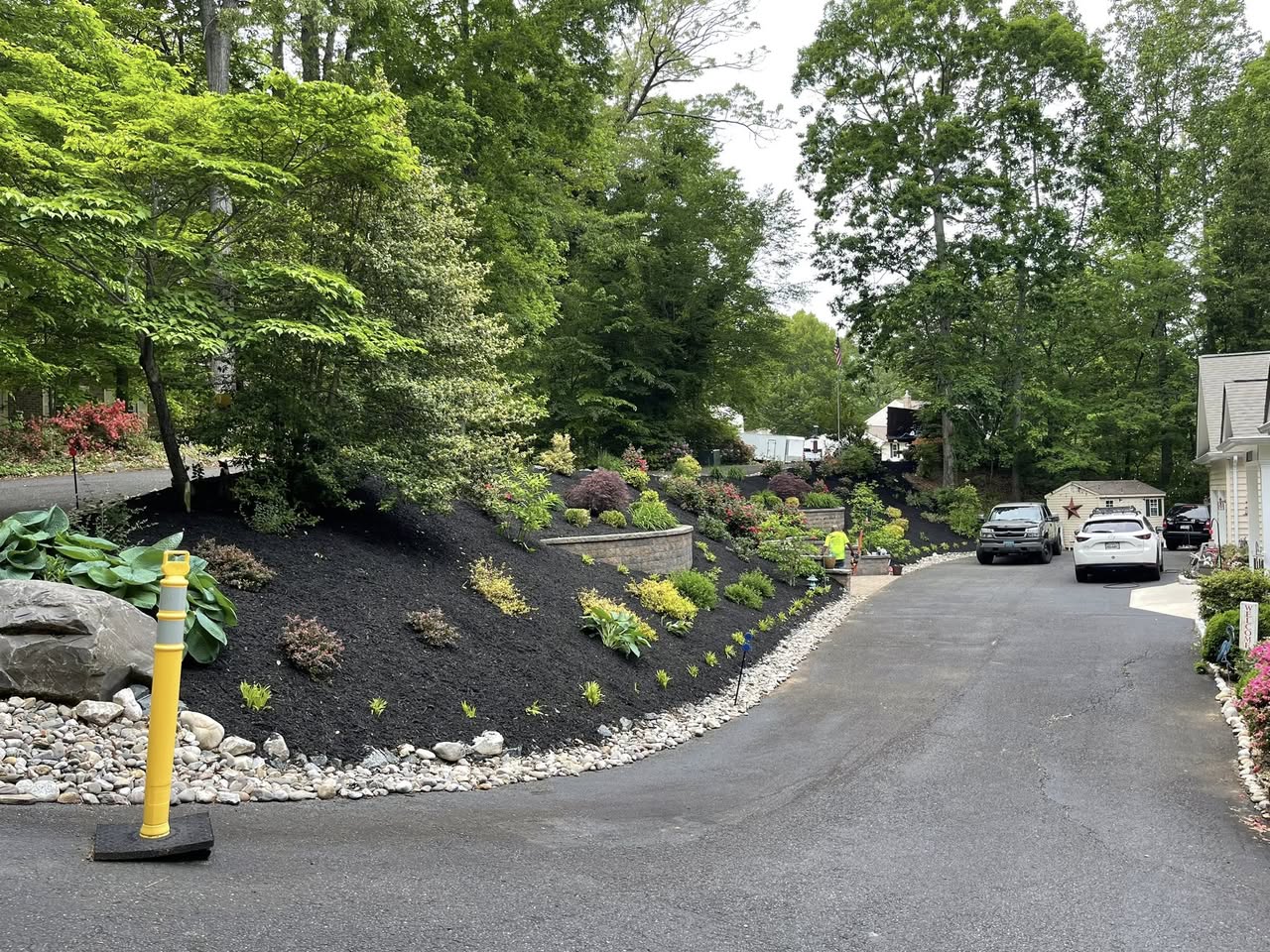
At Hurley’s Cutz, we often remind homeowners of the aesthetic and ecological value of using mulch. Mulching around trees, shrubs, and flowerbeds not only enhances the appearance of your landscape but also conserves moisture, prevents weed growth, and improves the soil structure as it decomposes. Choose organic mulch made from local materials to reduce carbon footprints.
In conclusion, adopting sustainable lawn practices is a rewarding endeavor that benefits not only the environment but also your well-being by creating a healthy, lush green space. By incorporating water conservation, nurturing soil health, sensible mowing, sustainable pest management, and responsible mulching into your lawn care routine, you are actively contributing to preserving the natural world for future generations. At Hurley's Cutz, we're here to support you on your journey towards eco-excellence, ensuring your lawn is both beautiful and beneficial. Embrace these practices and transform your yard into a sustainable oasis.